

Affiliate disclosure: this review contains affiliate links. If you buy through them we may earn a commission at no extra cost to you. Bonuses are delivered by us and are not affiliated with the vendor.
- Quick Verdict
- What Is AI Trading Engine?
- How Does AI Trading Engine Work?
- Key AI Trading Engine Features Explained
- Practical Use Cases & Operational Scenarios
- AI Trading Engine Demo & Interface Workflow
- What Works Well (Strengths & Value for Money)
- Limitations & Drawbacks
- AI Trading Engine Pricing & Sales Funnel Breakdown
- How AI Trading Engine Works — Video Demo
- Bonuses & Vendor Add-ons Analysis
- Who Is AI Trading Engine For?
- Who Should Avoid AI Trading Engine?
- Pros and Cons Comparison
- AI Trading Engine vs Real Market Alternatives
- Is AI Trading Engine Legit or a Scam?
- Final Verdict & Rating
- Frequently Asked Questions (FAQ)
- Related Reviews
Quick Verdict
This AI Trading Engine review 2026 cuts through vendor sales pitch noise to analyze what Sean Donahoe’s $47 software actually offers retail traders. Designed to scan market charts, identify statistical pattern setups, and outline automated entry and exit zones across stocks, crypto, and forex, the platform targets retail market participants who lack the time to flip through hundreds of price charts manually each night.
If you need a budget-friendly charting filter to streamline your market research baseline, it delivers solid utility for $47. However, it will not turn a zero-experience user into a profitable trader overnight. It is an analytical helper, not an automated money producer. Traders must still handle discipline, order execution, and strict risk control.
Check the official AI Trading Engine launch details here ››
What Is AI Trading Engine?
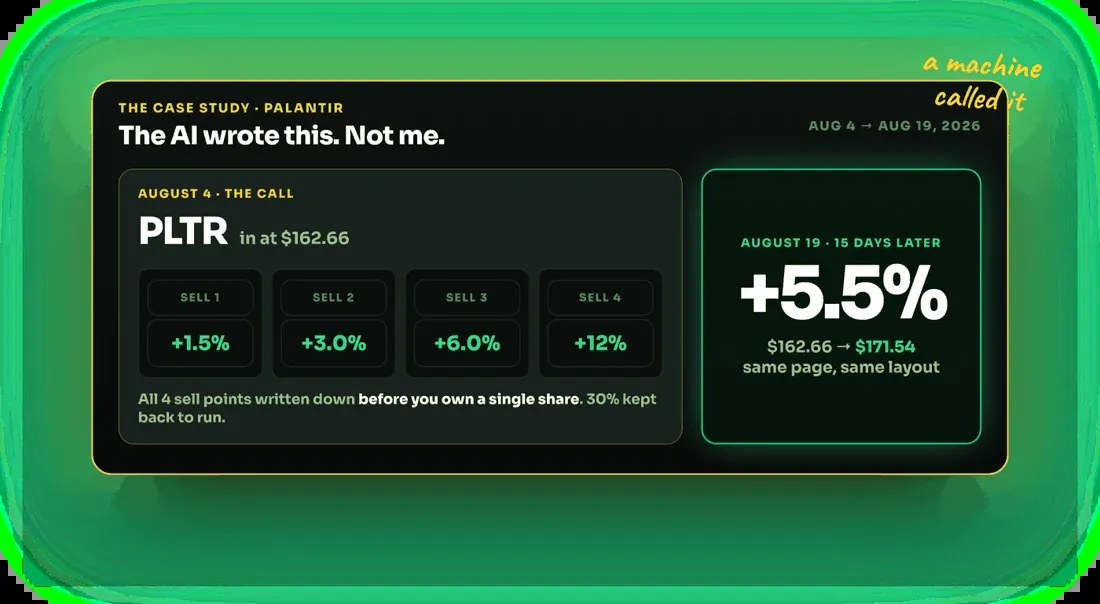
AI Trading Engine is a cloud-hosted software program built by online vendor and veteran trader Sean Donahoe. Scheduled for launch in September 2026 at a front-end price of $47, the software aims to remove manual guesswork from financial chart analysis using rule-based algorithms and automated pattern recognition.
Retail trading often devolves into statistical fatigue. A trader opens TradingView, looks at 40 different ticker symbols, overlays five indicators, gets conflicting signals, and makes emotional decisions. AI Trading Engine attempts to replace that messy workflow with structured algorithmic alerts. Instead of requiring you to write custom Pine Script code or build complex Python backtesting bots from scratch, the system provides pre-configured scanners that filter price action across major liquidity pools.
The underlying pitch from Donahoe focuses on efficiency: reducing daily charting time from hours to minutes while establishing objective baseline parameters for risk-to-reward metrics on every setup flagged.
How Does AI Trading Engine Work?
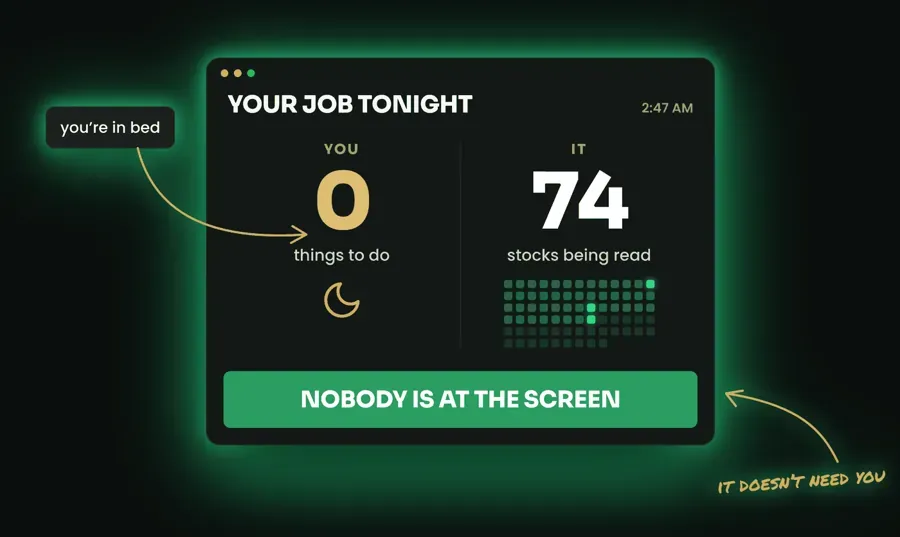
To evaluate whether this tool fits your trading routine, understanding the core mechanical pipeline is essential. Based on launch documentation and product specification sheets, the platform operates through a four-stage system workflow:
- Data Ingestion & Filtering: The cloud system connects to raw price feeds covering major equities, popular forex pairs, and high-volume cryptocurrency markets. It filters out low-liquidity penny stocks and volatile micro-caps to reduce baseline noise.
- Pattern Recognition & Indicator Alignment: Machine learning rules parse live price structural data against historical setups. The engine checks for specific statistical confluence—such as breakout structures supported by volume shifts and momentum indicators.
- Signal Generation & Parameter Calculation: When a setup triggers, the engine outputs an alert card on the main dashboard. This card details the ticker symbol, time frame, detected pattern type, suggested entry threshold, target take-profit level, and explicit stop-loss price.
- Trader Evaluation & Execution: The user evaluates the generated setup card. If approved, the trader manually executes the trade through their chosen brokerage (such as Interactive Brokers, Binance, or TD Ameritrade) or uses external webhooks where supported.
Remember: algorithms calculate historical probability, not absolute certainty. Unscheduled economic events, Federal Reserve rate announcements, and global earnings surprises can invalidate any chart structure instantaneously.
Key AI Trading Engine Features Explained
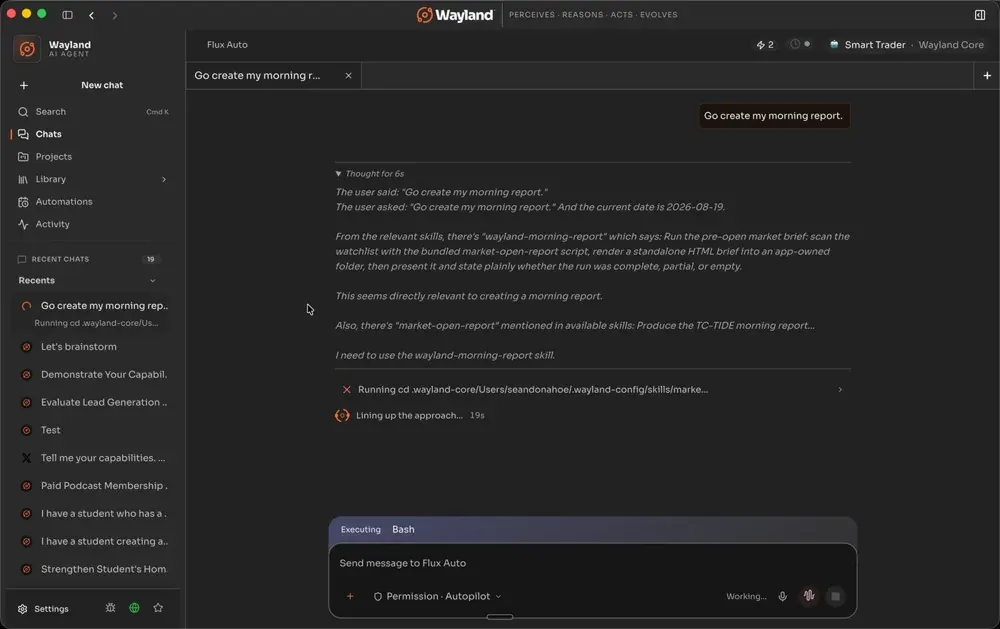
Understanding individual software capabilities helps determine whether the $47 price point offers real utility. Here is a granular examination of the features included in the core system:
1. Automated Multi-Market Chart Scanner
Flipping through individual charts is tedious. The automated scanner runs continuous server-side background checks on hundreds of asset pairs. When momentum or technical structure changes, the dashboard highlights the movement automatically.
2. Calculated Risk-to-Reward Ratio Tool
Every trade signal generated includes automated price markers for entry, stop-loss, and profit targets. By establishing a fixed risk ratio—such as 1:2 or 1:3—before entry, the software helps prevent traders from entering poor-probability trades where risk outweighs return.
3. Multi-Asset Class Scanning
The system is not locked to a single market. It supports standard stock indexes, foreign exchange pairs (like EUR/USD and GBP/JPY), and major cryptocurrency pairs (like BTC/USD and ETH/USD). This flexibility allows swing traders to pivot where volume moves.
4. Web-Based Cloud Infrastructure
You do not need to install complex local executable files, maintain virtual private servers (VPS), or buy high-powered hardware. The platform operates inside any standard web browser on desktop or tablet devices.
5. Customizable Risk Parameters
Traders have different risk appetites. The dashboard allows users to toggle between conservative, moderate, and aggressive setup filters, adjusting how tight or wide signal validation parameters are enforced.
Practical Use Cases & Operational Scenarios
How does AI Trading Engine actually function inside a daily trading workflow? Here are four realistic application scenarios:
Scenario A: The Busy Working Professional
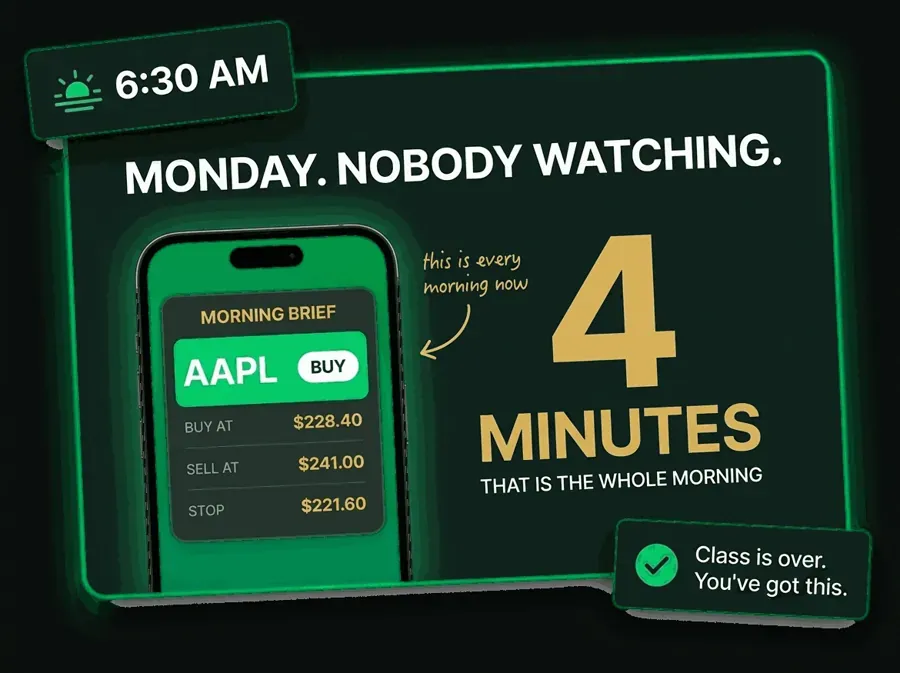
You work 9 to 5 and cannot monitor intraday candle patterns. In the evening, you open the AI Trading Engine dashboard. The engine has scanned daily and 4-hour charts, presenting three potential swing trade setups with predefined entry and stop-loss coordinates. You spend 15 minutes reviewing the setups, setting pending limit orders with your broker, and closing your laptop.
Scenario B: The Crypto Volatility Trader
Crypto markets move quickly 24 hours a day. Manual tracking often leads to buying after a major pump. The engine flags breakout consolidation patterns *before* momentum peaks, giving you structured entry metrics rather than emotional high-level entries driven by social media hype.
Scenario C: The Systematic Trading Beginner
Novice traders frequently cut winners early and let losing positions run deep. By relying on the engine’s explicit stop-loss calculation as an objective guide, a beginner can practice disciplined position sizing without letting fear or greed override their trade management.
Scenario D: The Strategy Builder Testing Setup Alignment
An experienced retail trader who already has a baseline strategy can use the software as a secondary validation filter. If your manual strategy flags a bullish setup on Apple stock and the AI engine simultaneous confirms a confluence pattern on the same ticker, trade confidence increases.
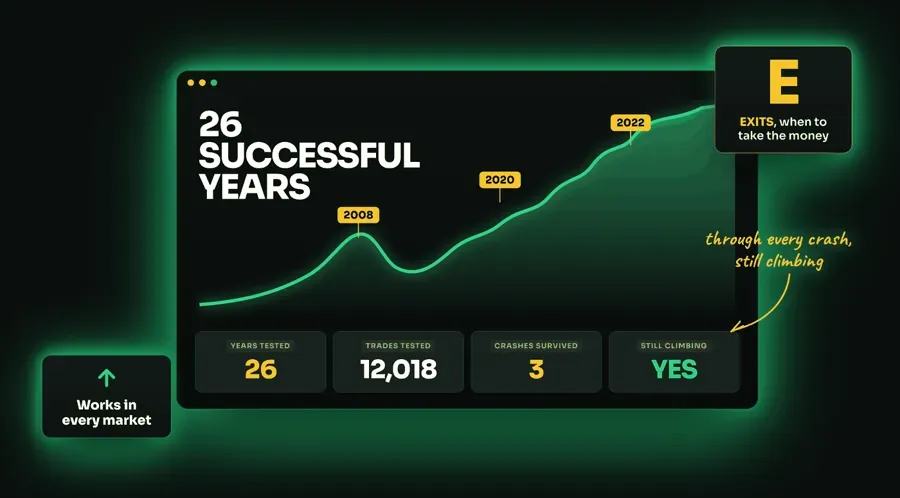
AI Trading Engine Demo & Interface Workflow
While full video walk-throughs become available upon official launch, public spec sheets detail the layout of the user environment. The user interface focuses on clean visual cards rather than complex financial terminal clutter.
Upon logging into the web dashboard, users see a primary central feed displaying live setups. Each setup card includes key data points:
- Asset Identifier: Ticker symbol and market type (Stock/Forex/Crypto).
- Timeframe: 15-minute, 1-hour, 4-hour, or Daily setup context.
- Pattern Type: Breakout, Trend Continuation, or Support/Resistance Reversal.
- Visual Gauge: A statistical strength rating estimating baseline pattern clarity.
- Action Plan: Specific dollar/pip prices for Entry, Stop-Loss, Target 1, and Target 2.
The layout is intuitive enough that navigating between market scanners and setting up customized alert notifications requires no programming skills or prior technical software expertise.
Watch the official AI Trading Engine overview video here ››
What Works Well (Strengths & Value for Money)
At a baseline cost of $47, evaluating what works well comes down to utility relative to cost:
- Extremely Low Entry Cost: Professional charting platforms like TrendSpider or Trade Ideas charge $40 to $200 per month. A $47 front-end pricing model makes testing scanning tech exceptionally cheap.
- Time Preservation: Automating chart sorting saves dozens of hours of manual research work every week.
- Clear Risk Management Visuals: Hardcoded stop-loss and take-profit targets encourage proper money management practices from day one.
- No Coding Required: Completely removes technical barriers; users do not need to write scripts or configure manual API scripts to view signals.
Limitations & Drawbacks
No trading platform is perfect. An honest AI Trading Engine review must highlight real operational limitations so buyers keep realistic expectations:
- Not an Automated Execution Robot: The base tool flags opportunities; it does not automatically place trades inside your broker account without setup integration. You still have to press the buy or sell button manually.
- Market Noise Risk: During hyper-volatile news events (like CPI data drops or Federal Reserve rate decisions), technical indicators can generate false breakout signals.
- Learning Curve for Direct Beginners: While the interface is clean, understanding what a stop-loss, risk-reward ratio, or pip value means requires initial market education.
- Upsell Structure: As with most product launches by Sean Donahoe, expect optional back-end upsell offers (OTOs) proposing advanced features, automated execution add-ons, or private community access.

AI Trading Engine Pricing & Sales Funnel Breakdown
Understanding the financial structure of the launch prevents surprises at checkout. The front-end price is set at a straightforward **$47 single-payment purchase**.
However, digital product launches typically feature an optional multi-tier sales funnel. Here is a breakdown of what the sales structure generally looks like based on industry standards and vendor history:
| Funnel Tier | Estimated Price | What It Provides |
|---|---|---|
| Front-End (FE) | $47 (One-time) | Core AI Trading Engine software, primary scanner access, baseline dashboards, setup alerts, user training documentation. |
| OTO 1: Pro / Unlimited Edition | $67 – $97 | Expanded scanning capabilities, faster refresh rates, additional indicator options, unlimited ticker tracking. |
| OTO 2: Automated Execution / Webhooks | $97 – $147 | Integration bridges allowing signals to trigger automated orders on select trading platforms or webhooks. |
| OTO 3: VIP Trading Club / Coaching | $197 – $297 | Live weekly trading sessions, group coaching calls, exclusive market analysis, direct Q&A access. |
The front-end $47 package contains the core functionality needed to scan markets and view signals. The upgrades are entirely optional depending on whether you want automated broker execution or live coaching support.
How AI Trading Engine Works — Video Demo
Bonuses & Vendor Add-ons Analysis
Launch offers frequently include promotional bonuses designed to increase buyer conversion. Sean Donahoe typically bundles structural educational resources alongside software releases.
Expected launch bonuses for AI Trading Engine include:
- Quick-Start Video Masterclass: A step-by-step video series covering how to navigate the dashboard, interpret setup cards, and execute trades safely on popular broker platforms.
- Position Sizing Calculator Sheet: A practical risk management spreadsheet that helps users calculate exact contract/share sizing based on personal account balances.
- Private Community Access: Access to a user group where traders share platform insights, discuss active alerts, and refine risk settings.
While vendor bonuses add supplemental value, base your purchasing decision on the core software utility rather than bonus material alone.
Who Is AI Trading Engine For?
This platform suits specific buyer profiles who need analytical support:
- Part-Time Swing Traders: Individuals with limited daily screen time who need automated market scanning.
- Beginners Needing Objective Structure: Traders who struggle with risk management and need clear, automated entry and stop-loss markers.
- Crypto & Forex Traders: Market participants operating in 24/7 or 24/5 fast-moving environments who want organized structural trade alerts.
- Budget-Conscious Researchers: Traders unwilling to commit to $100+/month recurring charting platform subscriptions.
Who Should Avoid AI Trading Engine?
Transparency requires stating clearly who should skip this offer:
- Passive Income Seekers: If you expect to push a button and watch money automatically deposit into your bank account without effort, do not buy this product. Trading involves real financial risk.
- High-Frequency Scalpers: Professional intraday tick scalpers operating on 5-second charts require institutional direct-market-access (DMA) execution terminals, not cloud-based swing scanners.
- Traders Zero Risk Tolerance: Financial markets can lose money. If you cannot afford to risk trading capital, you should not be trading live markets with any software tool.
Pros and Cons Comparison
| Pros | Cons |
|---|---|
| Low $47 initial entry fee with no mandatory recurring monthly subscription on front-end. | Does not automatically execute trades out-of-the-box on basic tier (requires manual broker input). |
| Scans multiple asset classes simultaneously (Stocks, Forex, Crypto). | Technical signals can produce false breakouts during high-impact news events. |
| Includes hardcoded entry, stop-loss, and take-profit coordinates. | Optional funnel upsells (OTOs) add extra cost if advanced features are desired. |
| Cloud-based web interface works on desktop and tablet without local installation. | Requires basic understanding of trading terms and market mechanics. |
AI Trading Engine vs Real Market Alternatives
To understand where AI Trading Engine stands, we must compare it against established market alternatives across pricing, features, and target audience.
| Platform | Pricing Model | Best For | Main Limitation |
|---|---|---|---|
| AI Trading Engine | $47 One-Time (FE) | Part-time traders wanting budget-friendly scanner alerts. | Manual execution required on basic tier; setup validation needed. |
| TrendSpider | $40 – $80 / month | Advanced technical analysts wanting custom algorithmic backtesting. | Higher recurring cost; steep learning curve for complete beginners. |
| Trade Ideas | $84 – $178 / month | Professional US stock day traders needing real-time institutional scanners. | Expensive monthly fee; focused primarily on US equity markets. |
| MetaTrader 4/5 EAs | Varies ($0 – $500+) | Forex traders wanting full automated bot execution via VPS. | Requires coding knowledge or purchasing unverified third-party bots. |
If you want enterprise-grade custom backtesting engines and have $1,000+ per year to spare, tools like TrendSpider or Trade Ideas excel. But if you want a lightweight, low-cost scanning utility without monthly fees, AI Trading Engine provides an attractive entry point.
Is AI Trading Engine Legit or a Scam?
Whenever high-yield software or financial tools launch online, prospective buyers naturally ask: *Is AI Trading Engine legit, or is it a scam?*
Based on vendor history and software specifications, AI Trading Engine is a legitimate digital scanning platform, not a scam. Sean Donahoe is a established vendor with over a decade of public product releases in internet marketing and trading education spaces.
However, confusion often arises due to overzealous affiliate marketing hype. Here is what you must understand to evaluate legitimacy accurately:
- Software Legitimacy: The software itself functions as advertised—it runs technical calculations on market data feeds and presents pattern setups on a dashboard.
- Vendor History: Sean Donahoe has launched multiple successful software utilities and educational programs over the past 15 years, maintaining active customer support teams.
- Realistic Expectations: The product becomes a problem only if buyers treat it as a “magic push-button system.” It is an analytical tool. Market losses are still possible, and vendor earnings disclaimers clearly state that historical performance does not guarantee future results.
As long as you evaluate the tool as an automated charting assistant rather than an automatic money printer, it represents a legitimate digital software offering.
Final Verdict & Rating
Wrapping up this AI Trading Engine review 2026, Sean Donahoe’s software provides practical, accessible utility for retail traders looking to eliminate charting screen fatigue. The $47 baseline price tag offers high value for money when measured against expensive monthly subscription platforms.
While optional funnel upsells and the necessity of manual trade management require realistic expectations, the built-in risk-reward calculations and automated multi-market scanning make it a solid asset for swing traders and systematic beginners alike.
Overall Rating: 4.2 out of 5 Stars.
Secure your copy of AI Trading Engine at the $47 launch price ››
Frequently Asked Questions (FAQ)
1. Which AI trading platform is the best in 2026?
The best platform depends on your budget and goals. Enterprise traders often prefer Trade Ideas or TrendSpider for custom scripting. For retail traders wanting an affordable, non-subscription scanner to identify setups quickly, AI Trading Engine offers one of the best value-to-cost ratios in 2026.
2. Is AI trading a legitimate method of trading?
Yes, quantitative and algorithmic trading is widely used by institutional investment banks and hedge funds worldwide. AI systems process large volumes of market data rapidly. However, retail tools assist with analysis—they do not eliminate market risk or guarantee profit.
3. Is AI Trading Engine suitable for complete beginners?
Yes, the visual user interface is designed without technical coding requirements. However, beginners should spend time learning basic trading terminology—such as how market orders, stop-losses, and leverage work—before trading with live capital.
4. What markets can I trade using this software?
The core scanner supports major US stock equities, key foreign exchange currency pairs (Forex), and high-liquidity cryptocurrencies (such as Bitcoin and Ethereum).
5. Is there a monthly subscription fee for AI Trading Engine?
The front-end product launches at a $47 single payment during the launch period. While optional upgraded tiers or add-ons may carry secondary costs, the core front-end software access does not carry mandatory monthly fees.
6. Does AI Trading Engine place trades automatically on my broker?
The baseline $47 front-end software acts as an automated alert dashboard where you evaluate signals and place orders manually. Automated execution capabilities typically require secondary webhook integration options available in upgraded funnel tiers.
7. What happens if a trade signal fails?
No mathematical indicator achieves a 100% win rate. Every trade signal generated by the platform includes a predefined stop-loss level designed to cut losing setups early and preserve your trading capital.
8. Can I access the software on mobile or tablet devices?
Yes. Because AI Trading Engine is hosted entirely on cloud servers, you can log into your account via any standard modern web browser on smartphones, tablets, laptops, or desktop computers.
Related Reviews


30-Day AI Monetization Sprint 2.0 Review 2026: Worth $17?
An analytical review of Peter Matt's 30-Day AI Monetization Sprint 2.0, dissecting the four-step AI Product Factory, pricing structure, use...

Provenance Review 2026: Is Thien Nhan’s Archive System Worth $17?
Provenance by Thien Nhan is an invented-archive prompt framework that helps digital creators generate matching vintage asset collections without AI...

Internet Marketer Technical Kickstart Review – Is It Worth $37?
Internet Marketer Technical Kickstart promises to fast‑track online marketers for $37. We unpack what’s actually included, the price structure, and...

Learn How To Coach Review 2026 – Honest Verdict & Pricing
Learn How To Coach promises a step‑by‑step system for new coaches. We unpack the $37 price, bonuses, demo, and whether...